Traceability Control Of Specialized Medical Substrates: Full-Chain Material Compliance Ensuring Long-Term Intraoperative Safety
Apr 20, 2026
Traceability Control of Specialized Medical Substrates: Full-Chain Material Compliance Ensuring Long-Term Intraoperative Safety
In the realm of minimally invasive orthopedic surgery, where precision and patient safety are paramount, the materials used in surgical consumables are not merely components but critical determinants of clinical outcomes. Intrusive orthopedic consumables, such as arthroscopic shavers, come into direct contact with human joint soft tissues and circulating bodily fluids. Consequently, the biocompatibility of the substrate, its corrosion resistance, and the sustained sharpness of the cutting edge are directly linked to surgical prognosis and the patient's long-term health. The selection of core materials for arthroscopic conical shaver blades represents the first and most crucial checkpoint in quality control. Reputable manufacturers, armed with complete qualifications, adhere strictly to the red line of medical-grade material selection. They implement a closed-loop traceability control system for substrates across the entire supply chain, supported by a comprehensive Bill of Materials (BOM) and authoritative material test certificates. This rigorous process effectively mitigates multiple safety hazards arising from inferior materials, such as intraoperative rust, debris shedding, and human rejection, thereby firmly establishing the compliance baseline for clinical medical devices.
Section 1: The Foundation of Excellence-Precision Metallurgy
Leading manufacturers exercise extreme discrimination in material selection, opting for specialized medical-grade hardened stainless steel as the core load-bearing substrate for the blades. This deliberate choice eschews the use of industrial-grade, low-cost recycled scrap steel, which poses unacceptable risks. The selected medical-grade substrates undergo a series of specialized processes including multiple vacuum melting, impurity purification, and grain refinement. These steps ensure a dense and uniform metallographic structure, completely free from slag inclusions, pores, or brittle fracture defects.
The inherent properties of this specialized substrate provide exceptional resistance to the acidic and alkaline corrosion found in human bodily fluids. Even when immersed long-term in joint effusions, physiological saline, or intraoperative irrigation solutions, the material resists oxidation, rusting, surface spalling, and the leaching of heavy metals. This characteristic is vital for preventing postoperative inflammation and adhesive complications caused by rust particles remaining in the joint cavity. Furthermore, the mechanical strength of the substrate meets stringent standards, offering high resistance to wear from high-speed cutting and preventing bending deformation. Critically, even after repeated cycles of standardized high-temperature and high-pressure sterilization, the blade's edge retains its initial sharpness, fully complying with the rigorous control requirements for reusable surgical instruments in medical institutions.
Section 2: Advanced Protective Measures to Prevent Particulate Contamination
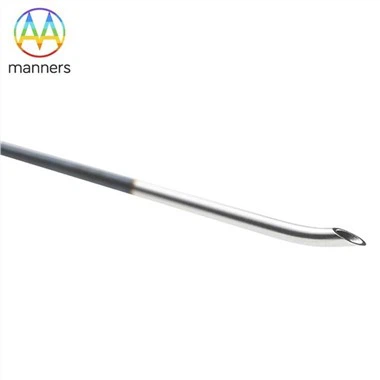
Addressing the core clinical pain point of metallic particle shedding during surgery, manufacturers have implemented targeted optimizations in the selection of protective auxiliary materials. The hollow shaft of the blade is fully encased in a high-quality, flame-retardant, insulating heat shrink sleeve. Crafted from modified medical-grade polymer materials through a one-shot extrusion molding process, this sleeve forms a bond with the stainless steel substrate that is seamless and free of delamination gaps.
Throughout the entire process of high-speed rotational cutting and high-frequency vibration, this sleeve effectively insulates the metal shaft from frictional collisions that could generate microscopic metallic debris. This proactive measure purifies the confined environment of the minimally invasive cavity at the source, preventing the retention of metallic foreign bodies in sensitive joint tissues. By doing so, it significantly reduces the incidence of postoperative foreign body reactions, infections, and chronic pain, aligning perfectly with the stringent safety standards required for sensitive orthopedic surgical areas.
Section 3: Closed-Loop Traceability-The Hallmark of Compliance
The establishment of a full-chain material traceability archive represents a core competitive advantage and a compliance necessity for regular manufacturers. A closed-loop material control system is maintained throughout the entire process. From the random inspection of raw material batches upon arrival and mechanical property testing, to third-party authoritative biological compatibility testing, and finally to the classification and archiving of materials during the assembly of finished products-every step is meticulously documented.
A precise and complete BOM is compiled, encompassing the material grade, specifications of auxiliary materials, batch traceability codes, inspection numbers, and comprehensive compliance qualification documents. For every batch of finished products, officially recognized full-set material certificates, biosafety test reports, and medical substrate traceability credentials are issued in sync. This system ensures that the entire lifecycle of the product is verifiable and traceable, with clear lines of responsibility. This comprehensive approach aligns perfectly with domestic medical device regulatory requirements for consumable traceability and complies with the material audit standards required for public hospital centralized bidding, procurement by chain orthopedic institutions, and warehousing in third-party medical supply chain platforms.